
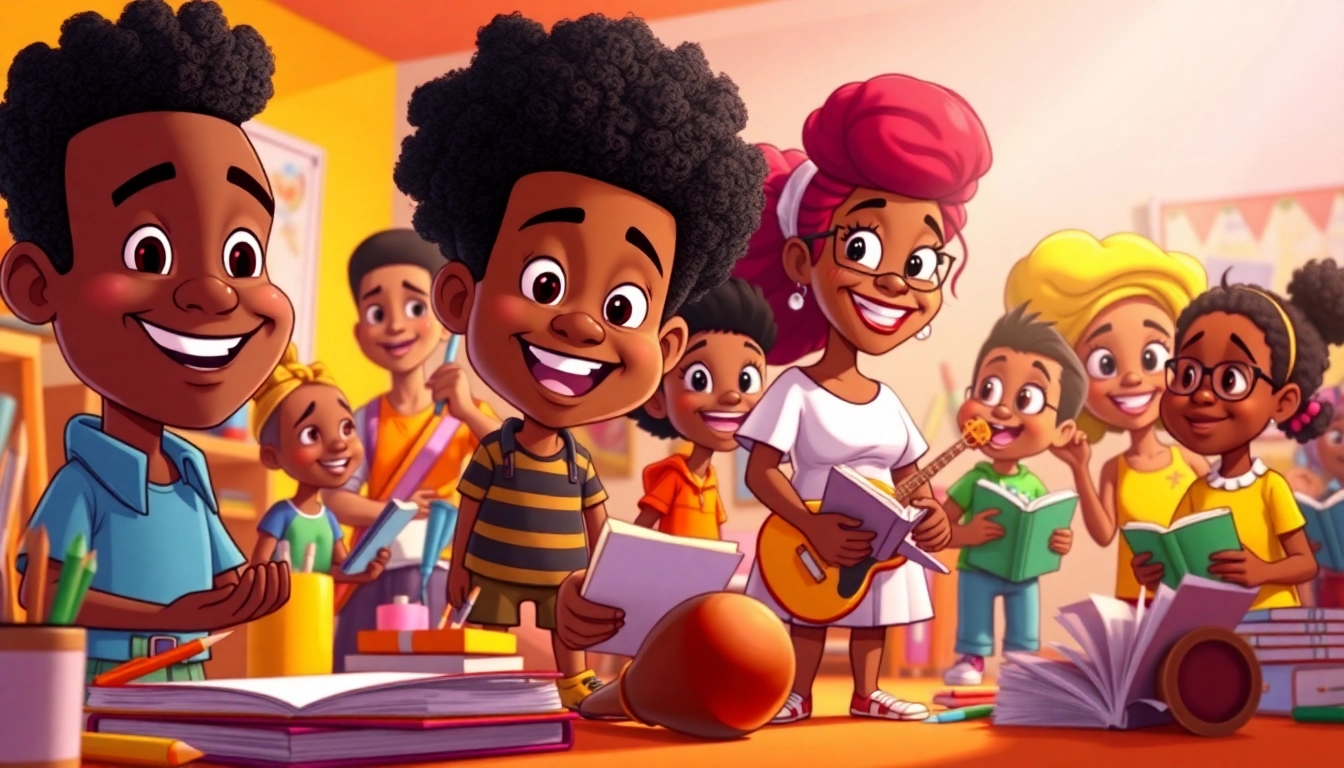
The Rich History of African American Cartoons
The influence of African American culture on the world of animation is profound and multifaceted, reflecting a rich tapestry of creativity that spans decades. From groundbreaking characters to iconic series that address social issues, African American cartoons have significantly shaped the landscape of animation. Understanding this history is pivotal, as it opens a dialogue about representation, cultural identity, and the power of storytelling in media. For those interested in exploring African American Cartoons, this exploration provides a thorough understanding of their evolution and impact.
The Impact of African American Culture on Animation
The impact of African American culture on animation is evident in both art style and storytelling. Early representations were often fraught with stereotypes, but as awareness of racial identity grew, so did the complexity of characters and narratives. Artists like Tex Avery and Chuck Jones contributed to the animation world, yet it was the emergence of Black creators in the 1970s and 1980s that began to change the narrative. With shows like “Fat Albert and the Cosby Kids,” African American narratives started to be portrayed more authentically, offering a fresh perspective in a medium that had been dominated by white creators.
Landmark Shows and Characters Through the Decades
Several landmark shows have emerged over the years, showcasing the evolution of African American cartoons. “The Boondocks,” created by Aaron McGruder, is a notable example of how animation can tackle serious themes like racism, social justice, and identity. Similarly, “The Proud Family” introduced a vibrant family dynamic centered around African American culture, featuring relatable characters for young audiences. These shows not only entertain but serve as a mirror reflecting the struggles and triumphs of the African American experience.
How Representation Matters in Media
Representation in media is crucial, particularly in animation, as children absorb these portrayals into their understanding of the world. The introduction of diverse characters allows children of all backgrounds to see themselves represented and encourages empathy in others. When audiences consume content that showcases a variety of perspectives, it fosters an inclusive environment that is necessary for cultural understanding and harmony. African American cartoons play a vital role in the conversation of diversity, pushing forward the importance of varied representation in children’s programming.
Top African American Cartoons for Kids and Adults
The landscape of African American cartoons is rich with options suitable for both kids and adults. From comedic series to heartfelt narratives, there is something for everyone. Here, we explore must-watch animated series that feature African American leads, as well as classic cartoons that have left a lasting impact.
Must-Watch Animated Series Featuring African American Leads
- Craig of the Creek: This adventure series follows a young boy and his friends as they explore the wilderness of their suburban neighborhood, showcasing friendship and creativity.
- Doc McStuffins: With a focus on health and caring, this series features a young girl who can heal toys, making it a beloved show for young audiences.
- The Proud Family: Louder and Prouder: A revival of the classic series, this modern take continues to address contemporary issues facing families, with humor and heart.
Classic Cartoons That Shaped a Generation
- Fat Albert and the Cosby Kids: This show introduced audiences to a group of kids navigating life in a Philadelphia neighborhood, combining humor with important life lessons.
- The Boondocks: A groundbreaking series that highlights socio-political commentary and cultural issues through the experiences of two brothers.
- Afro Samurai: This stylish and action-packed series not only features a strong African American lead but also mixes genres in a unique animation style.
New Releases to Look Forward to in 2026
The future of African American animation looks promising, with several new releases on the horizon. Upcoming projects are set to explore contemporary themes through unique storytelling techniques, reflecting the diverse experiences of African Americans today. Shows like “Young Justice” continue to evolve, incorporating new characters and narratives that resonate with current audiences, making them must-watch series for fans of all ages.
Lessons Learned from African American Cartoons
Beyond entertainment, African American cartoons impart valuable lessons and spark discussions about essential social issues. They are pivotal in education, offering insights into history, culture, and personal identity.
Social Issues Addressed Through Animation
Animation has often been a platform for addressing social issues. “The Boondocks,” for instance, boldly tackles racism, materialism, and political discourse, making it a vital commentary on society. Such series encourage viewers to think critically about the world around them and can initiate conversations that are often difficult to have but necessary for understanding.
Empowerment and Identity in Storytelling
Through the telling of stories that feature strong African American characters, these cartoons empower viewers, especially children, to embrace their identity. Characters like Huey Freeman from “The Boondocks” are not only memorable but also serve as role models, showcasing the importance of standing up for one’s beliefs and values.
The Role of Humor in Cultural Commentary
Humor plays a significant role in African American cartoons, allowing difficult topics to be approached in a digestible manner. Comedies like “The Proud Family” and “Fat Albert” use humor to shed light on serious issues, making these vital discussions more accessible and engaging for younger audiences.
Creating Your Own African American Cartoon Characters
For aspiring creators, developing distinct African American cartoon characters involves understanding and appreciating cultural nuances. The richness of African American culture can serve as a beacon for character development.
Step-by-Step Guide to Developing Characters
The process of creating characters starts with thorough research. Understand the cultural background, values, and historical context that inform the character’s identity. This foundation will enable you to create relatable and authentic characters that resonate with audiences.
Incorporating Cultural Heritage Into Your Stories
Incorporate elements of African American culture into your narratives by reflecting real-life experiences and traditions. Whether through dialogue, settings, or situations, infusing authenticity into your work will provide depth and better connect with viewers.
Tools and Resources for Aspiring Animators
A wealth of resources is available for aspiring animators. Online courses, workshops, and communities dedicated to animation can provide valuable skills and mentorship. Websites like Cartoonbrew and Animation Magazine offer insights into industry trends, while forums can be invaluable for feedback and networking.
Future Trends in African American Animation
The future of African American animation is bright, characterized by emerging technologies and a commitment to diversity. As the industry adapts to new advancements, so too will the storytelling techniques and representations evolve.
Emerging Technologies and Their Impact
Advancements in animation technology, including CGI and virtual reality, are transforming how stories are told. These technologies allow for more immersive experiences that can highlight African American narratives in creative ways, making them even more engaging for audiences.
Predictions for Animation in 2026 and Beyond
By 2026, we can expect even more emphasis on diversity within the animation industry. Streaming platforms are now recognizing the importance of inclusive storytelling, presenting a greater variety of African American leads and narratives. This trend will likely continue as audiences demand representation that reflects the world’s diversity.
Supporting Diversity in the Animation Industry
There is a growing movement to support diversity in animation, from hiring practices to funding initiatives. By advocating for and mentoring upcoming African American animators, the industry can foster new voices and ideas, ensuring that the stories told are varied and authentic.