Understanding Injection Molding Machines
Injection molding machines play a pivotal role in modern manufacturing, allowing businesses to produce high-quality plastic parts efficiently and at scale. In essence, these machines are used to transform raw plastic material into a wide array of finished products, from everyday household items to intricate components for industries such as automotive and electronics. When exploring options, Injection Molding Machine providers offer comprehensive insights into the selection and maintenance of these essential devices.
What is an Injection Molding Machine?
An injection molding machine is a specialized piece of equipment that utilizes heat and pressure to mold materials—primarily thermoplastics—into predetermined shapes. The process begins with the heating of plastic granules until they melt. Once the material reaches the right viscosity, it is injected into a mold cavity where it cools and solidifies into the final product. Understanding the mechanics of this machine is crucial for any manufacturer, as it directly impacts production speed, quality, and cost-effectiveness.
Types of Injection Molding Machines
There are primarily three types of injection molding machines: hydraulic, electric, and hybrid. Each type has its unique benefits and applications:
- Hydraulic Machines: Typically more powerful and robust, hydraulic machines use hydraulic fluids to drive their moving parts. They excel in large-scale production.
- Electric Machines: These machines offer greater precision, efficiency, and energy savings compared to their hydraulic counterparts. They are particularly beneficial for high-volume, high-precision applications.
- Hybrid Machines: Combining elements from both electric and hydraulic machines, hybrid options aim to capitalize on the strengths of both systems for versatile performance.
Key Components and Their Functions
Understanding the essential components of an injection molding machine is vital for optimal use:
- Injection Unit: Where plastic material is melted and injected into the mold.
- Clamping Unit: Holds the mold in place during the injection process. It is crucial for maintaining pressure and ensuring the integrity of the molded part.
- Mold: The cavity shapes the molten plastic into the desired form. The quality of the mold directly influences the quality of the finished product.
- Control System: Manages the machine operations, including temperature control, injection speed, and cycle time.
Core Features of Electric Injection Molding Machines
Electric injection molding machines are becoming increasingly popular due to their numerous advantages, particularly in areas requiring high precision and efficiency. The TEII series electric injection molding machines, for instance, adopt a discrete intelligent drive control mechanism that enhances the accuracy of position and pressure control, allowing for more refined product finishes.
Advantages of Electric Over Hydraulic Machines
Electric injection molding machines present several advantages over hydraulic models:
- Energy Efficiency: Electric machines consume less energy, contributing to lower operational costs.
- Precision: They offer more accurate control over the injection process, resulting in consistent product quality.
- Reduced Maintenance: The absence of hydraulic fluids lowers maintenance requirements and the risks associated with leaks and contamination.
Precision Control Mechanisms
High-end electric injection molding machines utilize precise control technologies that allow operators to fine-tune the injection parameters, significantly affecting the speed, pressure, and temperature of the process. This precise control is particularly beneficial for producing complex designs that require exact specifications.
Energy Efficiency and Environmental Impact
In a world increasingly focused on sustainability, electric injection molding machines stand out due to their reduced energy consumption. By utilizing advanced servo motors and a closed-loop control system, these machines minimize energy wastage while maximizing output quality. This efficiency not only reduces operational costs but also alleviates the environmental impact of manufacturing processes.
Technological Advancements in Injection Molding
As the industry progresses, new technologies continue to revolutionize injection molding machines. Staying abreast of these advancements is crucial for manufacturers who wish to maintain a competitive advantage.
Integration with Robotics and Automation
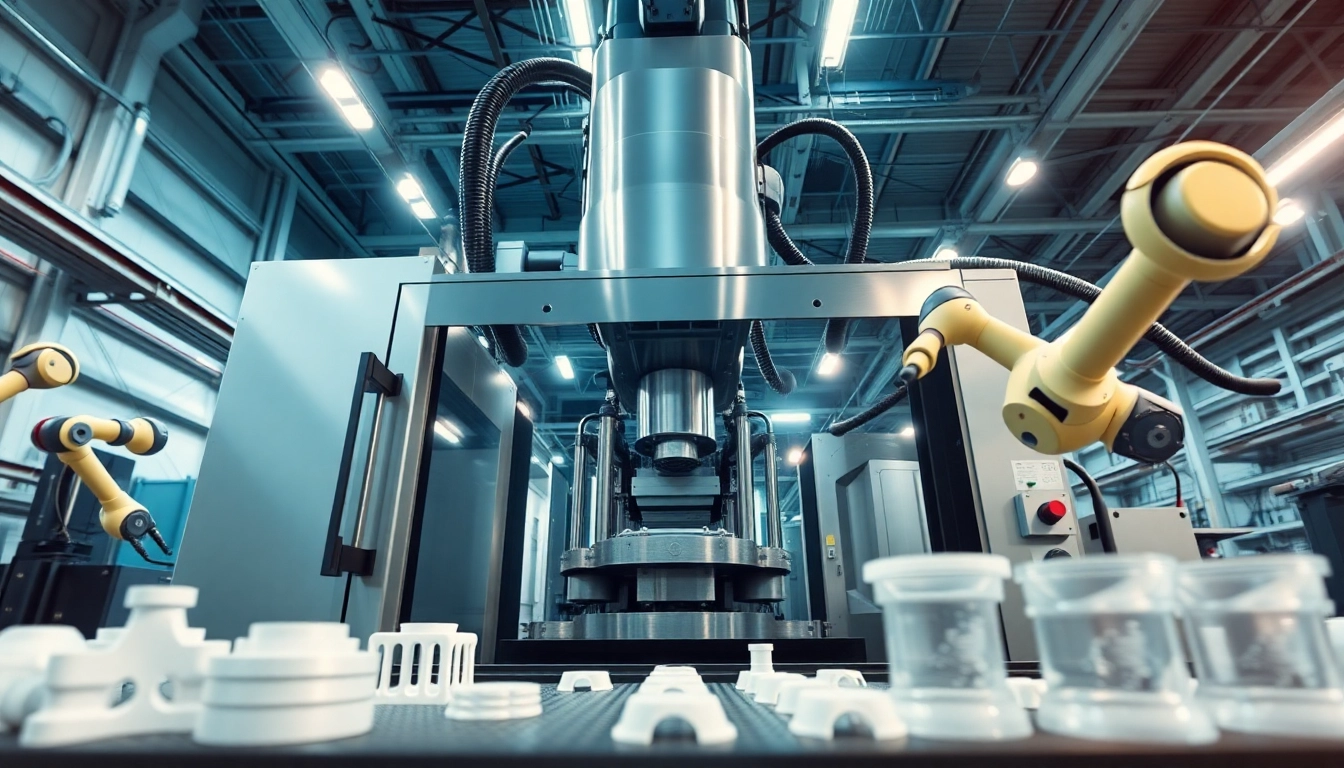
The integration of robotics and automation within injection molding processes enhances production efficiency. Automated arms can handle parts, load materials, and even perform quality checks, minimizing human intervention and reducing cycle times.
Smart Technology and IoT Applications
Smart technology innovations and IoT applications allow for remote monitoring and data collection on machine performance. This data can be used to optimize production schedules, predict maintenance needs, and ultimately enhance overall efficiency in the manufacturing process.
Future Trends to Watch in 2025
Looking ahead to 2025, several trends are predicted to shape the injection molding industry:
- Increased Customization: As consumer demand for personalized products grows, injection molding technologies that allow for rapid prototyping and customizable designs will become crucial.
- Advanced Materials: The introduction of new materials, including bio-based plastics, will further diversify application opportunities and sustainability efforts.
- Enhanced Energy Efficiency Standards: As manufacturers strive to meet stricter environmental regulations, developments in energy-efficient technologies will be at the forefront.
Challenges and Solutions in Injection Molding
While injection molding presents a myriad of benefits, it is not without its challenges. Understanding these common issues can help businesses develop effective solutions.
Common Issues with Injection Molding
- Defects in Products: Issues such as sink marks, warping, or short shots can occur due to improper machine settings or material choices.
- Cycle Time Optimization: Striking the right balance between speed and quality can be challenging, yet it is essential for maximizing productivity.
- Material Waste: Inefficient processes can lead to excess waste, impacting both profitability and environmental sustainability.
Best Practices for Maintenance
Regular maintenance of injection molding machines is critical to avoid downtime and ensure consistent production quality. Some best practices include:
- Routine Inspections: Regularly check for wear and tear on components to prevent unexpected breakdowns.
- Lubrication: Ensure moving parts are well-lubricated to reduce friction and wear, extending the life of the machine.
- Calibration: Regular calibration of the control system is essential to maintain accuracy in the injection process.
Effective Troubleshooting Techniques
Identifying the root cause of production issues is vital for effective troubleshooting. Operators should employ systematic approaches, such as:
- Documenting Issues: Keeping detailed records of manufacturing problems can help identify patterns and potential solutions.
- Collaboration with Engineers: Work closely with engineers to address mechanical failures and implement improvements.
- Training Staff: Regular training for operators on machine operation can significantly reduce human error and enhance efficiency.
Investment and Cost Analysis of Injection Molding Machines
Investing in injection molding machines requires careful consideration of both initial costs and potential returns. Manufacturers must navigate various factors influencing overall costs.
Estimating Costs for Different Types
The cost of injection molding machines varies widely depending on their type and features. For instance:
- Hydraulic Machines: Often range from $50,000 to $100,000, depending on capacity and additional features.
- Electric Machines: Can vary from $60,000 to upwards of $200,000 based on precision and automation features.
- Hybrid Machines: Typically fall somewhere in between, offering a balance of power and efficiency.
Return on Investment Considerations
Analyzing the return on investment (ROI) is essential for justifying the purchase of new machines. Factors to consider include:
- Reduction in Cycle Times: Faster production times can significantly enhance profitability.
- Lower Operational Costs: Energy-efficient models can lead to substantial savings over time.
- Quality Improvements: Higher-quality outputs can lead to increased customer satisfaction and sales.
Financing Options for Businesses
For many manufacturers, financing options play a pivotal role in making the purchase of injection molding machines feasible. Some available options include:
- Leasing: Provides businesses with access to the latest technology without the upfront costs.
- Loans: Traditional financing options can spread the cost over time, making it easier to manage cash flow.
- Government Grants: Some initiatives and programs provide financial support for manufacturers investing in sustainable practices.