Understanding Vinyl Flooring
What is Vinyl Flooring?
Vinyl flooring is a resilient flooring solution made from synthetic materials, primarily polyvinyl chloride (PVC). Known for its durability, versatility, and aesthetic appeal, vinyl flooring comes in a variety of designs, colors, and textures, making it ideal for residential and commercial spaces alike. With advancements in technology, modern vinyl flooring mimics the look of more expensive materials such as hardwood and stone, providing a stylish yet cost-effective alternative.
The Benefits of Choosing Vinyl Flooring
One of the primary reasons homeowners and businesses choose vinyl flooring is its impressive durability. Resistant to scratches, stains, and moisture, it holds up well in high-traffic areas and spaces prone to spills like kitchens and bathrooms. Vinyl flooring is also incredibly easy to maintain; regular sweeping and occasional mopping keep it looking new. Additionally, its softness underfoot and sound-absorbing qualities make it a comfortable choice for living spaces. Another compelling advantage is the accessibility of vinyl flooring, which requires less investment than hardwood or stone.
Types of Vinyl Flooring Explained
Vinyl flooring can be categorized into several types, each catering to different needs and preferences.
- Luxury Vinyl Plank (LVP): This type mimics hardwood flooring and is popular for its realistic appearance and easy installation.
- Luxury Vinyl Tile (LVT): Ideal for those looking to replicate the look of stone or ceramic tiles, LVT offers similar aesthetic benefits with easier upkeep.
- Sheet Vinyl: Comes in large, continuous sheets, making it suitable for spaces with fewer seams, reducing moisture penetration and making it easier to clean.
- Vinyl Composite Tile (VCT): A more budget-friendly option, VCT is often found in commercial spaces due to its durability but also suitable for residential areas.
Installation Guide for Vinyl Flooring
Preparation Steps for Vinyl Flooring Installation
Before installing vinyl flooring, it’s essential to prepare the space. Start by removing any existing flooring and ensuring the subfloor is dry, clean, and level. Address any structural issues or uneven areas with appropriate leveling compounds. If using glue-down options, acclimate the vinyl flooring in the area where it will be installed for at least 48 hours to prevent expansion or contraction post-installation.
Tools and Materials Needed for Installation
Installing vinyl flooring requires specific tools and materials including:
- Vinyl flooring (planks, tiles, or sheets)
- Utility knife for cutting
- Measuring tape
- Trowel for glue-down installations
- Roller for smoothing out air bubbles
- Flooring underlayment if necessary
- Safety gear such as goggles and gloves
Step-by-Step Installation Process
Follow these steps for a successful vinyl flooring installation:
- Preparation: Clear the area and remove any old flooring and debris.
- Measure and Cut: Measure the area accurately and cut the vinyl flooring pieces to fit, leaving a small space around edges for expansion.
- Install Underlayment: If using a floating floor, lay the appropriate underlayment.
- Lay the Vinyl: For planks or tiles, start from the center or corner of the room. Ensure each piece clicks or bonds securely.
- Finish Edges: Use a utility knife to cut any excess material, ensuring clean edges.
- Roll the Floor: Use a roller to smooth out the surface and remove air bubbles.
- Allow to Set: If using adhesive, follow manufacturer instructions for curing time.
Caring for Your Vinyl Flooring
Daily Cleaning Tips for Vinyl Flooring
Maintaining vinyl flooring is straightforward. Regular sweeping or vacuuming keeps dust and debris at bay. For deeper cleaning, use a damp mop with mild detergent. Avoid abrasive cleaners that can scratch the surface. Using felt pads under furniture can prevent scratches and dents.
Long-term Maintenance Strategies
To extend the life of your vinyl flooring, consider applying a protective layer of finish every few years, especially in high-traffic areas. Regularly polish the surface and check for any tiles or planks that may need repairing or replacing. Keeping humidity levels stable will also prevent issues with the underlying subfloor.
Common Mistakes to Avoid with Vinyl Flooring Care
A common mistake with vinyl flooring is using harsh or abrasive cleaners, which can wear down the surface. Additionally, neglecting to address spills quickly can lead to staining or damage. Always allow your floors to dry completely to prevent slipping and increase longevity. Regular check-ups on the flooring for wear and tear can drastically improve its lifespan.
Design Ideas with Vinyl Flooring
Contemporary Themes Utilizing Vinyl Flooring
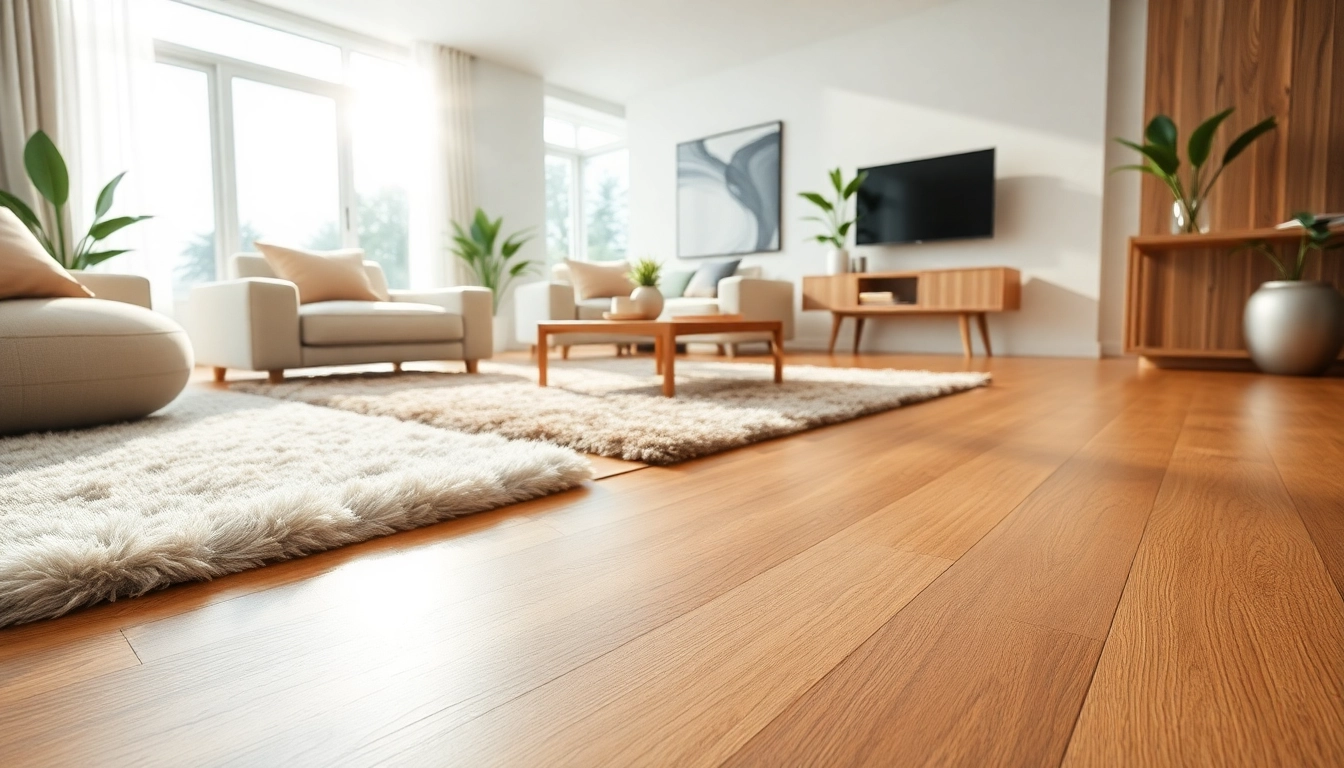
Vinyl flooring complements various contemporary themes, from minimalistic designs to rustic chic. The versatility of vinyl allows it to suit nearly any décor; you can pair light oak vinyl with Scandinavian styles or opt for grey slate effects for a more industrial vibe. Accent rugs can also enhance the aesthetics of vinyl flooring by adding color and texture.
Combining Vinyl Flooring with Other Materials
Many designers successfully combine vinyl flooring with other materials to add dimension and interest to spaces. For example, pairing vinyl planks with tiled areas allows you to designate spaces within an open-concept layout, enhancing visual separation. Combining vinyl with natural elements, like wood or stone finishes, can create a warm and inviting environment.
Seasonal Decoration Ideas to Complement Vinyl Flooring
Seasonal decorations can rejuvenate the look of your space without requiring any permanent changes. In spring, soft pastels or floral patterns in accessories and rugs can complement the laxity of vinyl flooring while summer flowers and vibrant colors enhance openness and brightness. During autumn, rich tones and textures can be added via decor and textiles that elevate the cozy aspect of your home. Winter calls for layered textures to invite warmth and comfort, creating a delightful contrast with hard flooring surfaces.
Frequently Asked Questions about Vinyl Flooring
How Durable is Vinyl Flooring?
Vinyl flooring is highly durable, resistant to scratches, dents, and moisture, making it suitable for high-traffic areas and homes with pets.
Can Vinyl Flooring be Repaired if Damaged?
Yes, minor scratches and dents can often be repaired with vinyl floor repair kits, while more extensive damage may require replacing individual planks or tiles.
Is Vinyl Flooring Eco-Friendly?
Many modern vinyl flooring options are made with environmentally friendly practices and can be recycled. However, it's essential to check for certifications.
How Does Vinyl Flooring Compare to Other Flooring Options?
Compared to hardwood, vinyl flooring is more affordable, easier to maintain, and available in more styles. While it won't match hardwood's value, it excels in durability and moisture resistance.
What is the Lifespan of Vinyl Flooring?
Typically, high-quality vinyl flooring can last between 10 to 25 years with proper care, making it a long-lasting option for any space.