
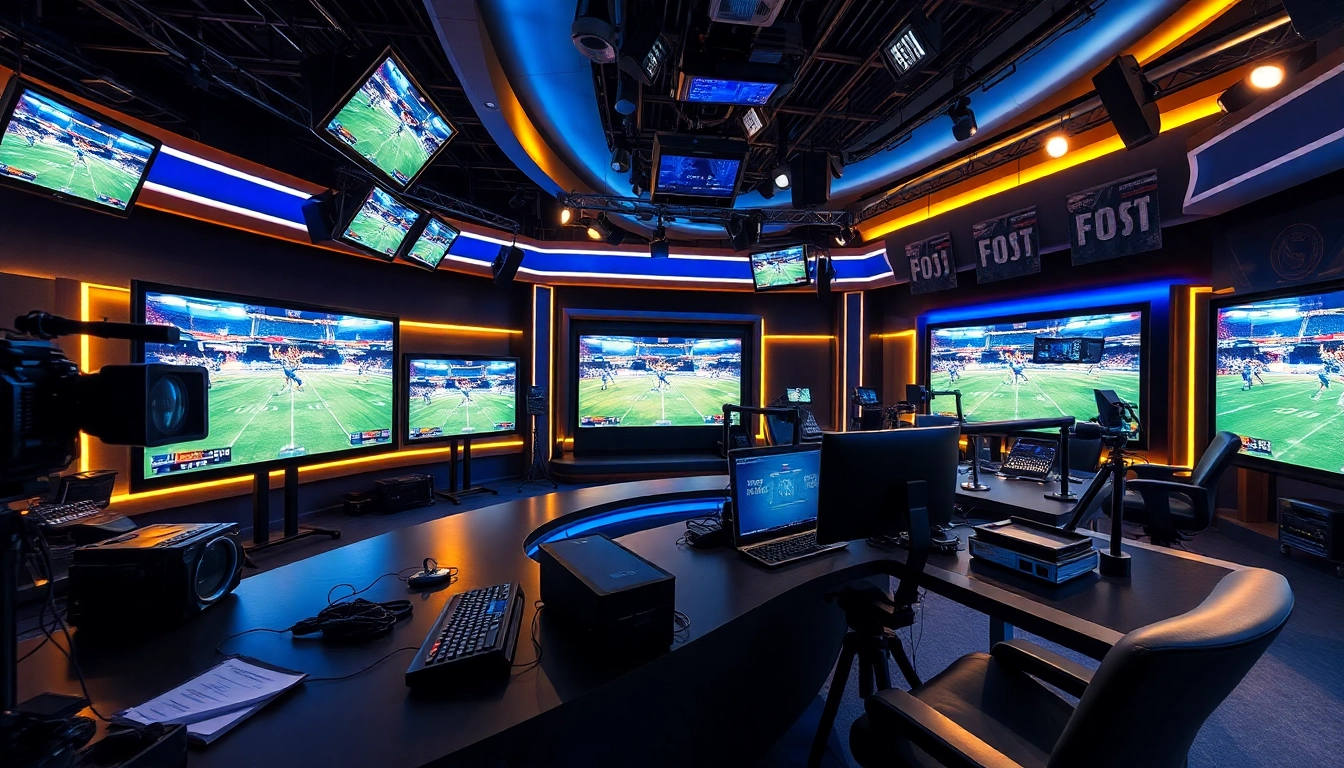
Understanding Sports Broadcasting
What is Sports Broadcasting?
Sports broadcasting entails the live or recorded transmission of sports events to a broad audience through various media channels, such as television, radio, and online platforms. It serves the critical role of connecting fans with the sports they love, offering commentary, analysis, and visual excitement around the action. With the advent of digital media, the landscape of sports broadcasting has transformed, allowing for richer engagement with audiences and more opportunities for monetization. For more insights into the dynamics of this industry, explore Sports Broadcasting.
The Evolution of Sports Broadcasting
The journey of sports broadcasting began over a century ago, with radio broadcasts of local games capturing the imagination of audiences. The first televised sports event in the 1930s marked a significant shift, providing visual engagement that radio could not offer. Over the decades, advancements such as color broadcasting, cable sports networks, and live streaming have contributed to the dynamic evolution of how sports are consumed. Today's broadcasters leverage high-definition cameras, drones, and mobile streaming to provide viewers with unparalleled access to sporting events like never before.
Significance in the Modern Media Landscape
In the contemporary media context, sports broadcasting is not just another entertainment sector; it is a multi-billion-dollar industry that plays a pivotal role in advertising, branding, and even social culture. Major sports events like the Super Bowl attract millions of viewers, while simultaneously serving as prime advertising opportunities that connect brands with targeted demographics. Furthermore, strategic partnerships between sports leagues and broadcasting networks influence viewership, reach, and profitability, making sports broadcasting a catalyst for media innovations, audience engagement, and community building.
Key Techniques in Sports Broadcasting
Preparing for a Live Show
Effective preparation is essential for any live sports broadcast. This process begins with in-depth research about the teams, players, and event context. Broadcasters must understand statistical trends, player histories, and recent performances to provide insightful commentary. Additionally, technical preparation is crucial; understanding equipment setups, testing audio and video feeds, and coordinating with production teams ensures a smooth broadcast. Rehearsing key segments and developing a structured timeline are also vital components that contribute to a polished live show.
Effective Storytelling in Sports
Great sports broadcasters are not only knowledgeable; they are impactful storytellers. They weave narratives that resonate with viewers, highlighting personal journeys of athletes, team dynamics, and pivotal moments in a game. This storytelling approach enhances the emotional connection audience members have with the sport. Utilizing techniques such as anecdotes, metaphors, and dramatic pacing enables broadcasters to elevate mundane statistics into compelling narratives that engage and excite the audience.
Handling Technical Challenges
Technical difficulties are common in live sports broadcasting, from power outages to equipment failures. Preparation is paramount, but so is adaptability. Successful broadcasters have contingency plans to address potential challenges that may arise. For instance, having backup equipment and a designated technical support team can mitigate issues in real time. Furthermore, training staff to troubleshoot and communicate effectively during crises is critical to maintaining broadcast integrity and ensuring audience satisfaction.
Innovations Transforming Sports Broadcasting
Impact of Digital Technology
The digital age has revolutionized sports broadcasting in unprecedented ways. High-definition (HD) and 4K resolutions provide clarity, while live streaming allows for content consumption on-demand across multiple devices. Social media platforms have created avenues for real-time engagement, allowing fans to interact with content and provide feedback during broadcasts. Additionally, user-generated content and fan-influenced broadcasting have personalized sports experiences, tapping into the segmented preferences of modern viewers.
Using Data Analytics in Sports Coverage
In today’s data-driven world, analytics play a significant role in sports broadcasting. Broadcasters utilize data to analyze player performance, team strategies, and game statistics. This information enhances viewer understanding and interest by providing insights that may not be visible during gameplay. For sports analysts and commentators, data-driven narratives support their observations, allowing audiences to appreciate the intricacies of a game that might traditionally go unnoticed.
Virtual & Augmented Reality in Broadcasting
The introduction of virtual reality (VR) and augmented reality (AR) into sports broadcasting is redefining viewer experiences. VR allows fans to experience games from immersive perspectives, simulating an in-person experience from their living rooms. Meanwhile, AR enhances broadcasts with on-screen graphics that enrich information delivery regarding player statistics, strategies, and real-time game analysis. This technological evolution not only captures audience attention but also provides broadcasters with innovative ways to deliver content and engage with fans.
Best Practices for Aspiring Sports Broadcasters
Building a Personal Brand
In an era where personal branding is essential, aspiring sports broadcasters must focus on creating a distinct identity that reflects their passion, expertise, and personal style. They should curate their social media presence by sharing insights, behind-the-scenes content, and personal experiences to engage audiences and build a following. Moreover, developing a unique voice and standpoint within the sports landscape distinguishes them from others and can lead to opportunities for career advancement.
Networking in the Sports Industry
Networking is paramount in the sports broadcasting industry, where relationships can lead to mentorship and job opportunities. Attending industry conferences, joining online forums, and engaging in community events are effective methods to connect with seasoned professionals. Building authentic relationships with peers allows for collaboration and knowledge-sharing, vital components that contribute to career growth in this competitive field.
Continuously Improving Skills
Continuous improvement is crucial for sustaining success in sports broadcasting. Aspiring broadcasters should engage in ongoing training through workshops, online courses, and mentorship programs. Additionally, seeking feedback from peers and mentors can offer constructive insights into areas for enhancement. Staying updated on industry trends and new technologies ensures broadcasters remain relevant and equipped to embrace future innovations in sports media.
Future Trends in Sports Broadcasting
Evolution of Viewer Engagement
As technology continues to evolve, so does viewer engagement. Future trends will likely focus on personalized viewing experiences, where fans curate the content they want to see and how they wish to interact with it. Innovations such as interactive broadcasts through apps or social networks may allow fans to participate in real-time polls or view games from multiple angles, increasing engagement and investment in the experience.
Sustainability Practices in Broadcasting
With increasing awareness of environmental issues, sustainability is becoming prominent within sports broadcasting. Future trends will likely encompass eco-friendly practices in production, such as reducing waste and energy usage, as broadcasters seek to minimize their carbon footprints. Initiatives that promote sustainable sports culture, including carbon offset programs and community engagement in environmental initiatives, can also enhance brand image and resonate with increasingly eco-conscious audiences.
Changing Audience Demographics
As demographics shift, sports broadcasters must adapt their strategies to cater to diverse and evolving audiences. This involves understanding cultural nuances, preferences for content consumption, and engaging younger audiences who may prioritize digital platforms over traditional media. Developing multilingual content and inclusive programming can foster community engagement and attract a broader viewership.
FAQ 1: What are the key roles in sports broadcasting?
Answer: Key roles include TV hosts, commentators, producers, and technical staff, each playing a pivotal part in delivering engaging content.
FAQ 2: How has technology changed sports broadcasting?
Answer: Technology has introduced high-definition broadcasting, live streaming, and interactive features, enhancing viewer experiences and accessibility.
FAQ 3: What skills are essential for sports broadcasters?
Answer: Essential skills include strong communication, storytelling, adaptability, technical knowledge, and a deep understanding of sports.
FAQ 4: How can I break into sports broadcasting?
Answer: Start by gaining relevant experience, building a portfolio, networking, and pursuing educational opportunities in communication or media.
FAQ 5: What are current trends in sports broadcasting?
Answer: Current trends include increased digital integration, personalization of content, and a focus on social media engagement.