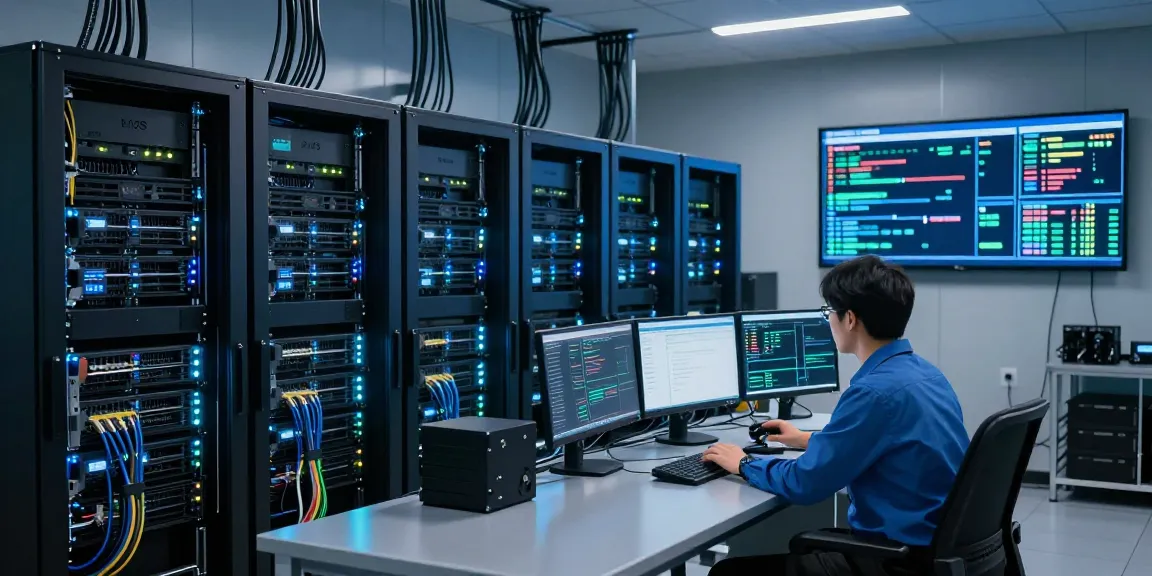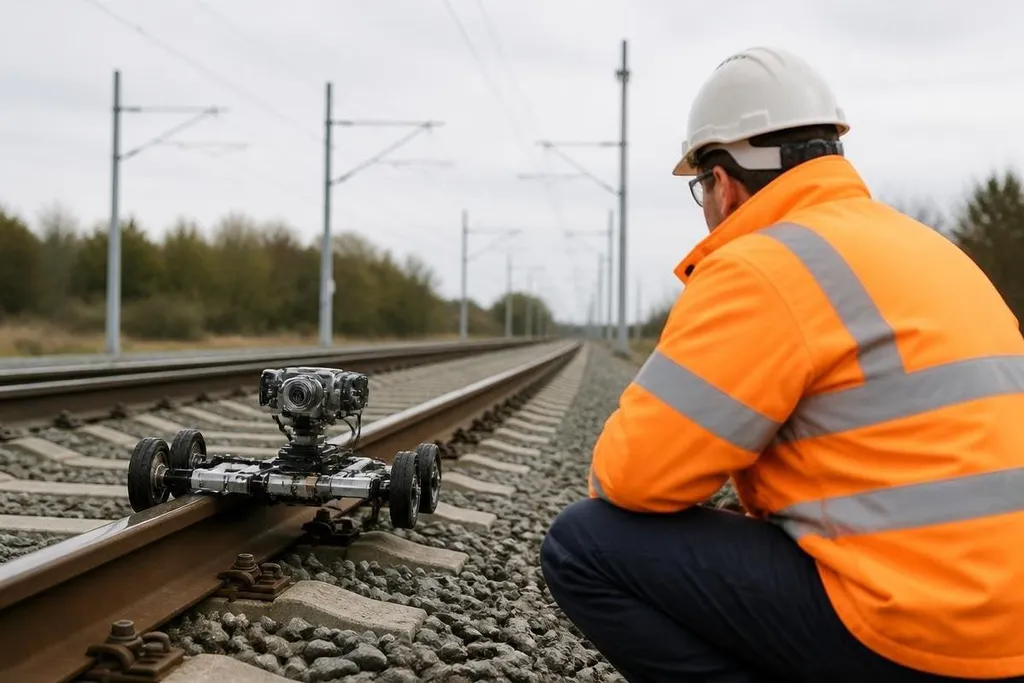
A railway robot can inspect track, carry cameras into tight spaces, and collect data while trains stay in service. The same system can also miss a fault, lose its position, or create a new safety problem if staff trust it without checking the result.
For railway operators, the useful question is where a robot removes exposure to danger and where human control must remain.
Quick read
- Robots can inspect rails, tunnels, bridges, and overhead equipment without sending a person into every difficult spot.
- LiDAR, thermal cameras, and ultrasonic sensors collect different kinds of evidence, so one sensor rarely tells the whole story.
- A railway robot needs a safe operating area, a recovery plan, and a person who can check its findings.
Where robots help
Rail work often takes place beside live tracks, inside tunnels, under bridges, or near overhead power equipment. A robot can carry inspection tools into these areas and keep staff farther from moving trains, falling material, and electrical hazards.
A small ground robot may use cameras to check fasteners, sleepers, rail surfaces, and ballast. LiDAR measures shape and distance, which helps build a map of the track or tunnel.
Thermal cameras can show heat patterns around electrical parts, though the image still needs a trained person to judge its meaning.
Railway robots also make repeat checks easier. If the robot follows the same route and records the same areas, an operator can compare new images with older ones. That can help show whether a crack, loose fitting, or surface change is growing.
A railway team tracking these trials needs the robot model, test site, task, and date behind each report. Robot24 can put those details beside the result, so the next step is judging whether the data is clear enough to guide repair work.
The data is useful only when it is clear
During one inspection run, the system can collect more images than a person can review by hand. That creates a new task: staff must sort the data, check alerts, and decide which faults need action first.
Ultrasonic testing looks inside a rail rather than only at its surface. A camera may show a visible mark, while ultrasonic equipment can detect a flaw below the metal. These tools answer different questions, so combining their results can give an inspector better evidence than either tool alone.
The software also needs a clear record of where each image came from. A missed location, poor lighting, dirty camera cover, or weak radio link can make a report hard to trust. The inspection file should show the route, sensor used, time of collection, and any gap in coverage.
Where railway robots can fail
Ballast may shift under the wheels, water may block the route, or a dirty sensor may stop the machine. A track inspection robot that cannot return to a safe area can delay railway work and create a recovery job for staff.
Positioning is another concern. Tunnels, cuttings, and steel structures can affect radio signals and satellite location. The robot needs a plan for moving safely when its usual position source is weak or unavailable.
False alarms carry a cost. If the system flags too many harmless marks, inspectors spend time checking bad alerts. If it misses a real fault, the railway still depends on a human inspection and a wider safety process.
The robot also needs protection from the railway itself. Its size, weight, battery, lights, and radio equipment must suit the route. Staff need to know how to stop it, move it, and recover it before a trial begins.
A buying and trial checklist
Use these checks before putting a railway robot on an active route:
- Define the task: name the fault, area, or asset the robot must inspect.
- Check the sensor: match the tool to the defect, such as ultrasonic testing for flaws below the rail surface.
- Map the limits: test tunnels, wet ground, ballast, slopes, lighting, and weak signals.
- Keep human review: require a trained person to check alerts and missing data.
- Plan recovery: set out who stops the robot, where it goes, and how staff remove it safely.
- Measure the result: compare inspection time, missed areas, false alarms, and repair decisions with the current method.
I’d approve a railway robot when it removes a clear hazard and leaves a clear audit trail. A moving demo is not enough; the operator needs proof that the system finds the right faults under the conditions of that route.
The next useful step is a controlled trial on one asset type, with every missed scan and false alarm recorded before the railway expands its use.