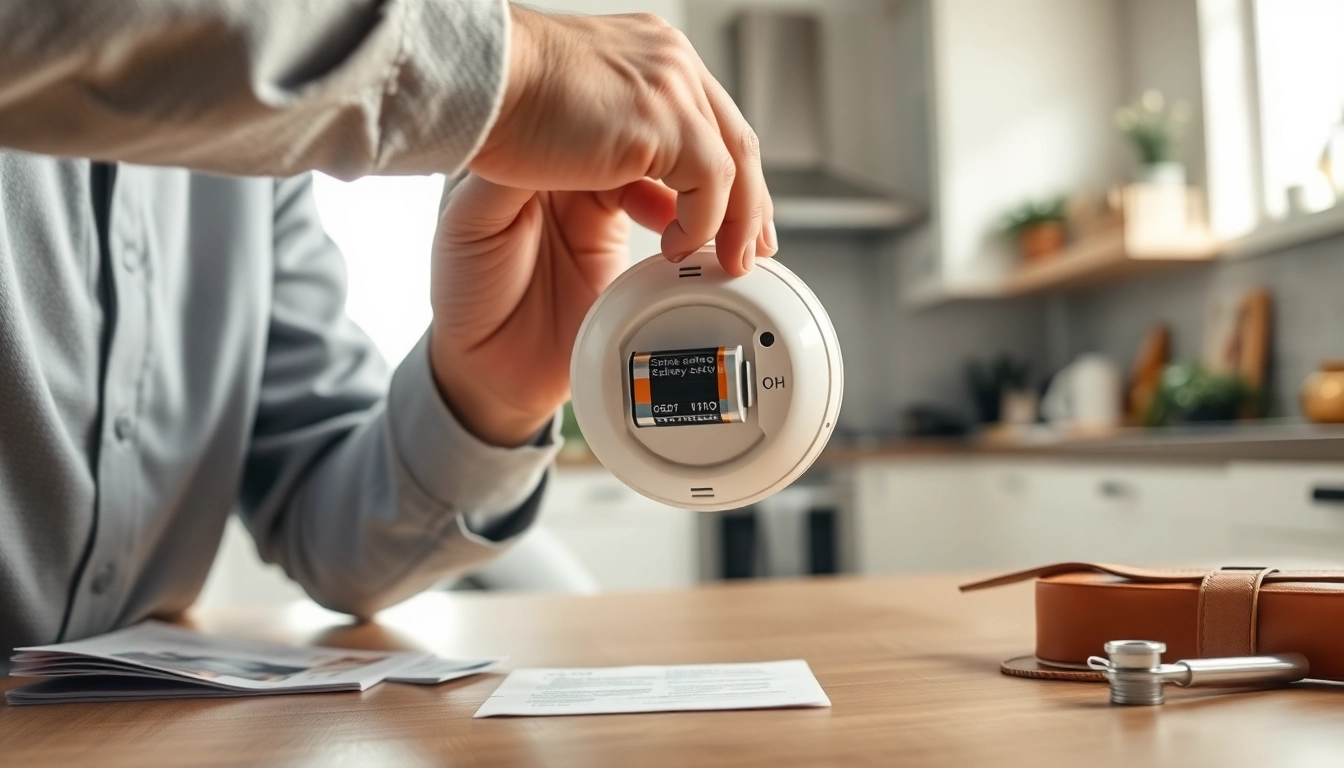
Understanding Smoke Detector Batteries
Smoke detectors are essential components of fire safety in both residential and commercial settings. They serve as the first line of defense against smoke and fire, often providing life-saving alerts in emergencies. Central to the effective functioning of these devices is the smoke detector battery. Understanding the different types of batteries, their life expectancy, and their maintenance can significantly impact the performance of smoke detectors. By ensuring that smoke detectors are equipped with high-quality batteries, users can enhance safety and peace of mind. This article delves into everything you need to know about smoke detector batteries, from their types to innovative technologies in the market today.
Types of Smoke Detector Batteries
When it comes to smoke detector batteries, not all are created equal. Understanding the various battery types allows homeowners and businesses to choose the most suitable option for their smoke detection system. Here are the primary types of batteries used:
- Alkaline Batteries: These are the most common type of battery utilized in smoke detectors. They are readily available, inexpensive, and come in standard sizes such as AA or 9V. Alkaline batteries typically last 6 to 12 months.
- Lithium Batteries: Lithium batteries have a longer lifespan than alkaline batteries, often lasting up to 10 years. They are usually sealed within the smoke detector, meaning users must replace the entire unit once the battery is depleted.
- Rechargeable Batteries: Some modern smoke detectors come with rechargeable batteries, which can reduce waste and the ongoing cost of replacements. However, their performance may degrade over time, necessitating replacement every few years.
How Battery Life Affects Detector Performance
The battery life of a smoke detector is critically linked to its overall performance. A smoke detector with a dying battery will not function optimally, leading to delayed alerts during a fire. Regular checks on battery life and timely replacements are vital in ensuring reliable operation. Most smoke detectors emit chirping sounds when the battery is low, signaling the need for immediate replacement. Understanding the importance of battery longevity helps in maintaining a fully functional safety device.
Signs Your Smoke Detector Battery Needs Replacement
There are several indicators that a smoke detector battery may need replacing. Recognizing these signs can prevent a potentially dangerous situation:
- Frequent Chirping: A periodic chirping sound generally signifies a low battery. Don’t ignore it; replace it immediately.
- Presence of Dust and Debris: A dirty smoke detector may fail to function properly. Regular cleaning is necessary, but if dust has accumulated despite regular maintenance, consider checking the battery.
- Unit Is Over 10 Years Old: Even if the battery seems to be functioning, remember to replace the smoke detector itself every 10 years to ensure effectiveness.
Importance of Regular Maintenance
Smoke detectors require regular maintenance to function effectively. This involves checking battery health, cleaning the device, and adhering to replacement schedules. Neglecting these aspects can lead to serious consequences in case of a fire.
Checking Battery Health and Performance
Regularly checking the health of your smoke detector battery is crucial. Testing the alarm by pressing the test button can help verify that both the battery and the device are working correctly. Establish a routine, perhaps at the beginning or end of daylight saving time, to inspect and test each smoke detector in your home.
Cleaning Your Smoke Detector
Cleaning smoke detectors is vital for maintaining their functionality. Dust, cobwebs, and other debris can block sensors, leading to false alarms or, worse, failure to detect smoke. Using a soft brush attachment on a vacuum cleaner can effectively remove build-up without damaging the equipment. Ensure that you avoid using cleaning liquids, which can damage the smoke detector’s internal components.
Keeping Up with Replacement Schedules
Setting and adhering to a replacement schedule for both batteries and the smoke detectors themselves is key to home safety. Most manufacturers recommend replacing batteries at least once a year and the entire smoke detector every 10 years. Keeping records of replacements, either digitally or on paper, can prevent lapses in maintenance.
Common Issues with Smoke Detector Batteries
While batteries are generally reliable, they are not immune to issues. Understanding common problems can help in troubleshooting and maintaining smoke detectors effectively.
Frequent Alarms: Causes and Solutions
Frequent alarms from a smoke detector can be frustrating and indicative of underlying issues. Common causes include:
- Low Battery: As mentioned, low batteries can lead to intermittent alarms. This should be the first consideration.
- Placement Issues: Detectors placed too close to cooking appliances may be overly sensitive to smoke and steam.
- Environmental Factors: High humidity, extreme temperatures, and dusty environments can affect detector functionality.
Solving these problems may involve relocating the detector, regularly cleaning it, or simply changing the battery.
Battery Corrosion and Its Impact
Battery corrosion can severely affect a smoke detector's performance. Signs of corrosion include residue around the battery terminals or leaking battery acid. When corrosion is detected, replace both the battery and the smoke detector if the corrosion has spread to the device itself. Regular visual checks can help to catch this early.
What to Do When Your Smoke Detector Fails
If a smoke detector fails to respond even after checking the battery, it is time to consider replacement. Inspect the device for any signs of damage or dust. If these are not the issue, replacing the entire unit is often the most prudent course of action to ensure continued safety.
Best Practices for Smoke Detector Battery Usage
Adopting best practices for smoke detector battery usage can enhance fire safety. Selecting quality batteries, ensuring proper disposal, and upgrading to modern options are all part of a comprehensive approach to maintaining a smoke detection system.
Selecting High-Quality Batteries
Choosing high-quality batteries for smoke detectors is a preventative measure. Opt for trusted brands that meet safety standards. Even if the initial cost is higher, investing in quality batteries can lead to better performance and longevity.
How to Properly Dispose of Old Batteries
Improper disposal of batteries can cause environmental harm. Many local governments have battery recycling programs to ensure safe disposal. Always check local guidelines for disposing of used batteries and take advantage of recycling stations when available.
Upgrading to Long-Lasting Options
Advancements in battery technology have led to longer-lasting options, such as lithium batteries. If your smoke detector allows it, consider upgrading to batteries that provide a longer lifespan to reduce the frequency of replacements and ensure reliable operation. Investigate options compatible with your device for potential improved performance.
Innovative Technology in Smoke Detectors
The smoke detector landscape is evolving with technological advancements, greatly enhancing their functionality and effectiveness. Understanding these innovations can help users make informed choices.
Smart Detectors and Battery Management
Smart smoke detectors are equipped with Wi-Fi connectivity and integrated battery management systems. These devices can send alerts to smartphones and allow for remote monitoring. Many also feature self-diagnostic capabilities, notifying users of battery health and performance directly through an app. This technology represents a significant upgrade over traditional units.
Integration with Home Safety Systems
Modern smoke detectors can be integrated into broader home safety systems, linking with security cameras, smart thermostats, and emergency response services. This interconnectivity allows for a coordinated response to fire alerts, enhancing overall safety. Users can receive more immediate feedback and take faster action in emergencies.
Future Trends in Smoke Detection Technology
As technology continues to advance, we can expect further innovations in smoke detector systems. Future trends may include enhanced sensory capabilities, improved accuracy in false alarm detection, and even integration with artificial intelligence for predictive alert systems. Staying informed about these trends can help users adopt the latest safety measures for their homes.
By understanding the intricacies of smoke detector batteries and the importance of regular maintenance, homeowners can ensure that their smoke detectors will operate effectively when needed most. Investing time and resources into quality batteries and modern smoke detector technology not only enhances safety; it can also provide peace of mind for families.